
Do At-Home Facial Rollers and Gua Sha Stones Actually Work?
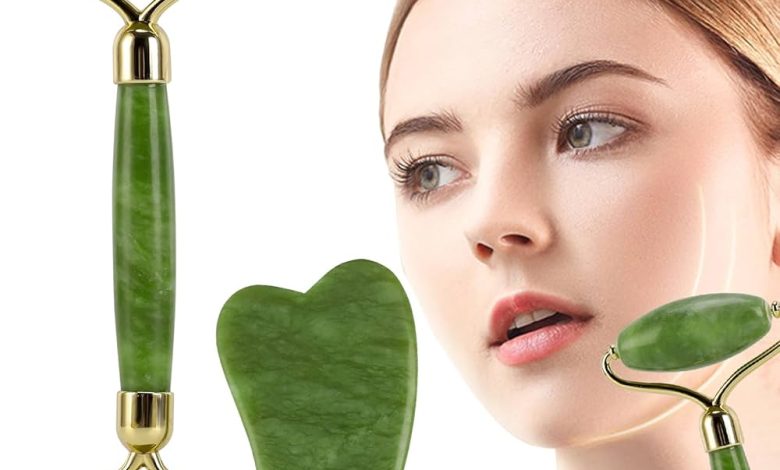
The beauty industry is constantly flooded with new gadgets, serums, and high-tech tools promising eternal youth and pristine skin texture. Yet, over the last few years, some of the most popular items in skincare routines have not been modern laboratory inventions, but rather adaptations of ancient practices. Jade rollers, rose quartz massagers, and flat, contoured Gua Sha stones made of various crystals have taken over social media feeds and vanity tables worldwide.
Proponents claim these tools can sculpt the jawline, eliminate wrinkles, drain toxins, and slim down the face in a matter of minutes. Skeptics, however, dismiss them as mere marketing ploys, arguing that a simple stone cannot possibly alter facial anatomy or replace medical-grade aesthetic procedures. To determine whether these tools actually work, one must separate the exaggerated commercial claims from the legitimate physiological benefits supported by dermatological science and traditional practice.
The Historical Origins of Facial Massage Tools
While facial rollers and Gua Sha stones might seem like recent viral trends, they carry deep cultural and historical significance. Understanding where these tools come from provides valuable context for how they were originally intended to be used.
Gua Sha is a foundational component of Traditional Chinese Medicine that dates back thousands of years. Originally, practitioners used smooth spoons, coins, or animal horns to vigorously scrape the skin on the back and torso to release heat, reduce chronic pain, and stimulate the immune system. The word Gua translates to scrape, while Sha refers to the reddish, sand-like petechiae that rise to the surface of the skin during treatment. When adapted for the face, the technique was modified to be incredibly gentle, utilizing smooth jade or horn stones to promote a balanced flow of energy and blood.
Facial rollers share a similar lineage in Chinese history, historically used by royalty and elite classes during the Qing Dynasty to maintain a youthful appearance and calm the spirit. Jade was specifically chosen not just for its beauty, but because it is a naturally cool stone believed to possess healing, purifying, and protective qualities.
The Scientific Reality of What These Tools Can Do
When examining the efficacy of facial rollers and Gua Sha stones, it is crucial to establish realistic expectations. These tools operate on mechanical and physiological principles, not magical ones. They cannot permanently alter your underlying bone structure, melt away subcutaneous fat cells, or instantly cure genetic skin conditions. However, when used correctly and consistently, they do produce distinct, scientifically verifiable biological effects on the skin and facial tissue.
Acceleration of Lymphatic Drainage
The human lymphatic system is a vital part of the immune system that helps rid the body of toxins, waste, and excess fluid. Unlike the cardiovascular system, which has the heart to act as a central pump, the lymphatic system relies on muscle contraction and physical movement to keep fluid circulating.
The facial tissue is highly susceptible to fluid retention, which often presents as morning puffiness around the eyes, cheeks, and jawline. This can be exacerbated by a high-sodium diet, allergies, hormonal fluctuations, or sleeping flat on your back. Gentle, directional pressure from a facial roller or Gua Sha stone manually pushes stagnant lymphatic fluid away from the center of the face and down toward the major lymph nodes located in the neck. This mechanical drainage results in a visible, immediate reduction in puffiness and gives the face a more contoured, defined appearance.
Increased Microcirculation and Oxygenation
Stroking the skin with a smooth stone or rolling tool creates friction and localized pressure. This action stimulates the endothelial cells lining the blood vessels, causing them to dilate. This process, known as hyperemia, increases local blood flow to the superficial layers of the skin.
A temporary increase in microcirculation delivers a rush of oxygenated blood and essential nutrients directly to the skin cells. This boost in blood flow is what causes the immediate, healthy flush or rosy glow often observed right after a facial massage session. Over time, enhanced circulation supports cellular repair and can contribute to a brighter, more vibrant complexion.
Myofascial Release and Muscle Relaxation
The human face contains over forty individual muscles that work constantly to express emotion, chew food, and maintain posture. Just like the muscles in your shoulders or lower back, facial muscles can hold significant tension. People who chronically clench their jaw, grind their teeth at night, or furrow their brow due to stress often suffer from tight facial muscles, which can contribute to tension headaches and premature expression lines.
The targeted contours of a Gua Sha stone allow you to apply deeper, firmer pressure along the jawline, masseter muscle, and brow bone compared to a standard roller. This deep pressure provides myofascial release, melting away muscular knots and resetting hyperactive muscles. Relaxing these tight structures softens the overall appearance of the face and can temporarily smooth out static lines caused by habitual tension.
Key Differences Between Rollers and Gua Sha Stones
While both tools promote circulation and drainage, they differ significantly in their intensity, technique, and intended results. Choosing the right tool depends entirely on your personal skincare goals and schedule.
-
Facial Rollers: These tools feature a cylindrical stone that rotates smoothly around an axle. They are designed for light, effortless pressure and quick application. Rollers are ideal for cooling the skin, reducing surface puffiness, and speeding up the absorption of serums in the morning. They require very little technique and carry a virtually non-existent risk of skin irritation.
-
Gua Sha Stones: These are flat, hand-held stones with unique curved edges engineered to hug the specific angles of the face, such as the jaw, cheekbones, and brow. Gua Sha is a much more intentional, meditative practice that involves pulling, scraping, and lifting actions. It allows for deeper tissue manipulation, making it superior for muscle relaxation, breaking up fascia, and achieving a more pronounced sculpting effect.
Step-by-Step Guide to a Safe and Effective Routine
To reap the benefits of these tools without causing harm to your skin, you must master the proper technique. Incorrect usage, such as dragging a dry stone across the skin or pushing fluid in the wrong direction, can cause broken capillaries, bruising, and increased sagging over time.
Step 1: Prep and Lubrication
Never use a Gua Sha stone or facial roller on dry skin. The friction will stretch and tear the delicate skin barrier. Start with a freshly cleansed face, then apply a generous layer of a high-slip facial oil, rich moisturizer, or hydrating serum. The tool should glide effortlessly across your skin surface without pulling or skipping.
Step 2: Open the Lymphatic Pathways
Before working on the face, you must clear the pathway below it so fluid has a place to drain. Take your tool and gently stroke down the sides of your neck, moving from just behind the earlobes down toward the collarbones. Perform five to ten downward strokes on each side.
Step 3: Work from the Center Outward
When transitioning to the face, always move from the midline outward and upward. Start at the center of your chin and glide the tool along your jawline outward toward your earlobe. Move to the corner of your mouth and glide outward toward the mid-ear. For the under-eye area, use exceptionally light pressure and move from the bridge of the nose outward toward the temples.
Step 4: Angle and Pressure Control
If you are using a Gua Sha stone, never hold it at a ninety-degree angle relative to your face. This digs the sharp edge into your tissue. Instead, hold the stone flat at a fifteen-degree angle, keeping it nearly flush against your skin. Use light to medium pressure; the weight of the stone itself should do most of the work. Repeat each stroke three to five times per zone.
Maintenance and Hygiene for Massage Tools
Because these tools directly contact your face and mix with skincare products and natural oils, keeping them clean is essential. Failing to sanitize your tools can transform them into breeding grounds for bacteria, leading to sudden acne breakouts, clogged pores, or skin infections.
After every single use, wash your facial roller or Gua Sha stone with warm water and a gentle, antibacterial liquid soap. Use your fingers to wipe away any residual oil or serum trapped around the metal hinges of a roller. Pat the tool dry with a clean towel and store it in a clean, dry place. Avoid keeping them unprotected on a bathroom counter where they can collect airborne particles.
Frequently Asked Questions
Can using facial rollers or Gua Sha stones cause acne breakouts?
The tools themselves do not cause acne, but improper hygiene can. If you do not wash your stone after each use, bacteria, dead skin cells, and rancid oil will accumulate on the surface and transfer back onto your skin during the next session. Furthermore, if you already have active, inflamed acne cysts, scraping a stone over them can pop the blemishes beneath the surface, spreading bacteria and worsening the breakout.
Is it necessary to store crystal tools in a refrigerator?
Storing your facial roller or Gua Sha stone in a refrigerator is not strictly necessary, but it highly enhances the depuffing effects. Naturally cold stones like jade and quartz retain low temperatures well. When applied to the skin, extreme cold causes the superficial blood vessels to constrict rapidly, which accelerates the reduction of inflammation, soothes redness, and provides a refreshing sensation.
How often should I use these tools to maintain visible results?
For lymphatic drainage and reducing morning puffiness, you can use a facial roller every single day for five minutes. For the deeper structural benefits of Gua Sha, such as muscle relaxation and jaw sculpting, performing a ten-to-fifteen-minute routine three to four times a week is generally optimal. Consistency is key, as the fluid-draining benefits are temporary and will recede if the practice is entirely abandoned.
Can facial massage tools replace professional cosmetic injectables like Botox or fillers?
No, these tools cannot replicate or replace professional cosmetic procedures. Botox works by temporarily paralyzing facial muscles to prevent expression lines, while dermal fillers add structural volume beneath the skin to fill deep folds. Gua Sha and rollers merely work on the surface level to drain fluid and relax tension. While they can improve overall skin health and radiance, they cannot freeze muscles or restore lost fat volume.
Why does my skin turn bright red after a Gua Sha session?
Mild redness, also known as erythema, is a completely normal reaction to Gua Sha massage. It is a direct visual indicator that your blood vessels have dilated and microcirculation has successfully increased in that area. This redness should be uniform, pain-free, and fade within fifteen to thirty minutes. If the redness looks like distinct purple bruising or petechiae, you applied far too much pressure and damaged the delicate capillaries beneath the skin.
Are there any specific conditions where Gua Sha should be avoided?
Yes, you should avoid using these tools if you have sunburned skin, open wounds, active eczema or rosacea flare-ups, or severe cystic acne. Additionally, if you have recently received professional cosmetic injectables like Botox or fillers, you must wait at least two to three weeks before performing any facial massage to prevent accidentally displacing the product before it has fully settled into the tissue.
