Why Grip Strength Deserves More Attention in Fitness Programs
Grip strength is one of the most overlooked parts of fitness. People notice bigger muscles, faster running times, heavier squats, and visible body changes, but they rarely think about the hands. That is a mistake. Grip strength affects how well someone lifts, carries, pulls, trains the back, handles daily tasks, and maintains functional strength over time.
A well-designed fitness trainer singapore program can include grip strength in a practical way, without turning the workout into a specialized athlete routine. Grip strength matters because the hands are often the first connection between the body and the load. If the grip fails early, the rest of the body may never get fully trained.
Why Grip Strength Matters in Daily Life
Grip strength is not only for gym users. It appears in everyday activities. Carrying groceries, opening jars, holding luggage, lifting bags, moving furniture, using tools, and supporting bodyweight all involve the hands and forearms.
As people age, grip strength can become even more important because it is connected with general physical function. A strong grip often reflects broader strength and activity levels. It is not the only marker of health, but it is a useful one.
When grip weakens, daily tasks can feel harder than they should.
How Grip Strength Affects Gym Training
Many gym exercises depend on the hands. Rows, deadlifts, pulldowns, farmer carries, kettlebell movements, cable exercises, and dumbbell work all require grip. If the grip gives out before the target muscles, the workout becomes limited.
For example, someone may want to train the back with rows, but their forearms fatigue first. Someone else may struggle to hold dumbbells during lunges, even though their legs can handle more. In these cases, grip strength becomes the limiting factor.
Improving grip can unlock better training performance.
The Connection Between Grip and Back Training
Back training depends heavily on grip. Pulling movements require the hands to hold the bar, handle, cable, or dumbbell while the back muscles work. If the person cannot hold the load long enough, the back may not receive enough stimulus.
This is why grip training can improve rows, pulldowns, deadlifts, and carries. It allows the person to maintain control and complete quality repetitions.
However, grip should not replace back technique. The person still needs to learn how to use the shoulder blades and pull with the right muscles.
Different Types of Grip Strength
Grip strength is not one single thing. There are different forms. Crush grip is used when squeezing something, such as a gripper or handle. Support grip is used when holding weight for time, such as farmer carries. Pinch grip involves holding something between the fingers and thumb. Wrist and forearm strength also support grip performance.
Most people do not need advanced grip specialization. They simply need enough grip strength to support training and daily life.
A balanced gym routine can include grip naturally through carries, pulls, and controlled dumbbell work.
Farmer Carries Are Simple and Effective
One of the most practical grip exercises is the farmer carry. The person holds weights at their sides and walks with control. This exercise trains grip, posture, core stability, shoulders, and overall strength.
It is simple but not easy. It teaches the body to stay tall under load.
A trainer can adjust weight, distance, and duration based on the person’s level. The exercise should feel challenging but controlled. If posture collapses, the load may be too heavy.
Dead Hangs Can Build Grip and Shoulder Awareness
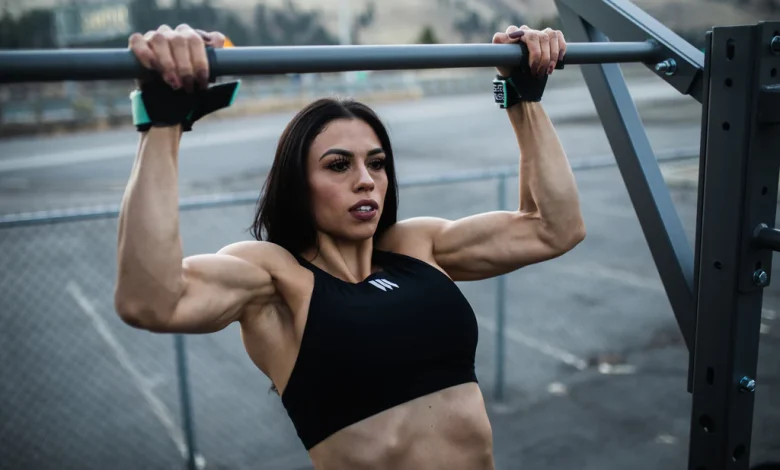
Dead hangs from a bar can train grip and help with shoulder awareness. However, they are not suitable for everyone immediately. People with shoulder pain or limited shoulder mobility should be cautious and seek guidance.
A modified hang, assisted hang, or shorter hold may be more appropriate at first.
When done properly, hangs can improve comfort with bodyweight support and grip endurance.
Grip Strength Helps With Confidence
Grip strength can create confidence because it affects how secure a person feels with weight. If someone trusts their hands, they may feel more comfortable lifting dumbbells, using cable machines, or trying new exercises.
Weak grip can make people hesitant. They may avoid heavier weights because they fear dropping them. Building grip gradually can reduce that fear.
This confidence can carry into daily life too.
Avoid Overtraining the Forearms
Grip training should be added intelligently. The forearms are already involved in many exercises. Too much direct grip work can lead to irritation or fatigue, especially around the elbows and wrists.
A good program balances grip work with recovery. It also considers how much pulling, lifting, and carrying the person already does.
More is not always better. Quality and placement matter.
When Straps Can Be Useful
Some people think using lifting straps is cheating. That is not always true. Straps can be useful when grip is limiting a movement that is meant to train larger muscles, such as the back or hips.
For example, during heavy Romanian deadlifts, straps may help the person train the hamstrings and glutes without grip becoming the only limit. But grip should still be trained separately.
A smart program can use straps when helpful while also building grip strength over time.
Grip Training for Older Adults
Older adults can benefit from grip training because it supports daily function. The exercises should be safe and appropriate. Carries, light dumbbell holds, towel squeezes, and controlled pulling movements may be useful.
The goal is functional strength, not maximum performance.
A trainer can adjust exercises based on joint comfort, balance, and experience.
Wrist Position Matters
Poor wrist position can make grip exercises uncomfortable. During pressing, pulling, or carrying movements, the wrist should usually stay controlled rather than collapsing. This improves force transfer and reduces unnecessary strain.
A trainer can correct wrist position during exercises. Small adjustments often improve comfort quickly.
How to Add Grip Training Naturally
Grip work does not require a separate long session. It can be added into existing workouts. Carries can be placed near the end of a strength session. Rows and pulldowns can improve support grip. Dumbbell lunges can challenge grip while training legs. Light hangs can be used carefully where suitable.
The goal is to make grip part of a complete fitness plan.
Why Grip Strength Is a Long-Term Asset
A strong grip supports training, independence, and confidence. It is one of those fitness qualities that becomes more valuable with time. People may not notice it until they lose it, which is why training it early makes sense.
For people looking for guided strength support, True Fitness Singapore may be relevant when comparing fitness environments where functional strength, proper technique, and smart programming can work together.
FAQ
Why does grip strength matter in fitness?
Grip strength affects pulling exercises, carrying movements, dumbbell training, and many daily tasks.
Can grip strength improve without special tools?
Yes. Farmer carries, rows, pulldowns, dumbbell holds, and controlled lifting can all improve grip.
Should everyone train grip directly?
Most people benefit from some grip-focused work, but it should be balanced with the rest of the program.
Are lifting straps bad for grip strength?
No. Straps can be useful for certain lifts, but grip should still be trained separately.