
Why Personal Hygiene Is Essential for Good Health Care
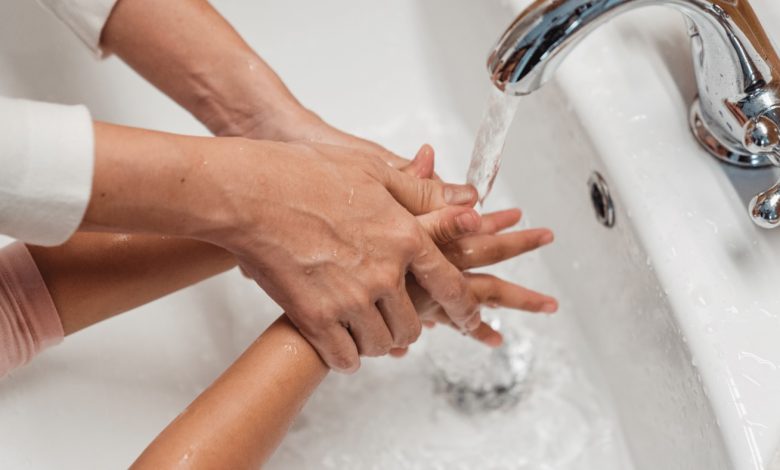
Personal hygiene is one of the simplest yet most effective ways to support good health care. Clean daily habits help protect the body from harmful germs, reduce the spread of illnesses, and promote overall well-being. Practising good hygiene not only benefits physical health but also improves confidence, comfort, and quality of life.
Health care is often associated with doctors, hospitals, and treatments, but many important health practices begin at home. Washing hands, brushing teeth, bathing regularly, wearing clean clothes, and maintaining a clean environment are everyday actions that contribute to better health. These habits help prevent infections and allow people to stay healthier throughout their lives.
Good personal hygiene is important for individuals of all ages. Whether at home, school, work, or in public places, maintaining cleanliness supports both personal health and the well-being of those around us.
Understanding Personal Hygiene
Personal hygiene refers to the daily practices people follow to keep their bodies clean and healthy. These routines help remove dirt, sweat, bacteria, and other substances that can lead to illness if left untreated.
Good hygiene includes caring for different parts of the body, such as the skin, hands, teeth, hair, and nails. It also involves wearing clean clothing and maintaining clean surroundings.
These habits become part of a healthy lifestyle and contribute significantly to overall health care.
Preventing the Spread of Illness
One of the biggest benefits of personal hygiene is reducing the spread of germs. Many common illnesses spread through direct contact or contaminated surfaces. Simple hygiene practices can lower this risk considerably.
Handwashing is especially important before eating, after using the restroom, after coughing or sneezing, and after returning home from public places. Using soap and clean water helps remove germs that may otherwise enter the body.
By practising good hygiene consistently, individuals help protect both themselves and the people around them.
Supporting Healthy Skin
The skin is the body’s largest organ and serves as a protective barrier against harmful substances. Regular bathing helps remove sweat, oil, dirt, and bacteria that accumulate throughout the day.
Keeping the skin clean reduces the likelihood of unpleasant odours and certain skin problems while allowing the skin to function properly. Wearing clean clothes and changing them regularly also supports skin health by reducing irritation and maintaining comfort.
Healthy skin is an important part of complete health care.
Maintaining Good Oral Health
Oral hygiene is essential for healthy teeth and gums. Brushing teeth at least twice a day and cleaning between teeth regularly help remove food particles and plaque that can cause dental problems.
Good oral hygiene supports:
- Healthy teeth and gums.
- Fresh breath and improved confidence.
- Better overall health by reducing harmful bacteria in the mouth.
Regular dental check-ups, combined with proper daily care, help maintain long-term oral health.
Keeping Hands Clean
Hands come into contact with countless surfaces every day, making them one of the easiest ways for germs to spread. Washing hands properly is one of the most effective hygiene habits.
People should wash their hands thoroughly using soap and water for at least twenty seconds. This simple routine is especially important before preparing food, before meals, and after activities that may expose the hands to dirt or germs.
Clean hands play a major role in preventive health care.
Caring for Hair and Nails
Healthy hair and clean nails are also important parts of personal hygiene. Washing hair regularly helps remove excess oil, sweat, and dirt while keeping the scalp healthy.
Keeping nails trimmed and clean prevents dirt and bacteria from collecting underneath them. Since hands frequently touch the face and food, clean nails contribute to better hygiene and reduce the spread of germs.
These small habits help maintain cleanliness and improve overall health.
Promoting Confidence and Social Well-Being
Personal hygiene influences more than physical health. Cleanliness often improves self-confidence and encourages positive social interactions.
People who practise good hygiene generally feel more comfortable at school, work, and social gatherings. Fresh clothing, clean hair, and good oral hygiene contribute to a positive personal appearance and help individuals feel more confident in everyday situations.
Confidence and emotional well-being are valuable parts of complete health care.
Teaching Healthy Habits Early
Children benefit greatly from learning good hygiene habits from an early age. Parents, caregivers, and teachers play an important role in demonstrating proper hygiene routines.
Simple habits such as washing hands before meals, brushing teeth every morning and evening, and bathing regularly become lifelong practices when introduced early.
Encouraging children through positive examples helps build routines that continue into adulthood.
Maintaining a Clean Environment
Personal hygiene also includes keeping living spaces clean. Regular cleaning helps reduce dust, dirt, and germs inside the home.
Some helpful habits include:
- Washing towels, bedding, and clothes regularly.
- Keeping kitchens and bathrooms clean.
- Properly disposing of household waste.
A clean environment supports healthier living conditions and complements good personal hygiene.
Making Hygiene Part of Everyday Life
Good hygiene does not require complicated routines. Consistency is far more important than perfection. Setting regular times for bathing, brushing teeth, washing hands, and changing clothes makes these habits easier to maintain.
Families who encourage hygiene together often create healthier home environments where cleanliness becomes a natural part of daily life.
These simple routines contribute significantly to long-term health care and overall wellness.
Conclusion
Personal hygiene is an essential part of good health care because it helps prevent illness, supports physical well-being, and improves confidence. Daily habits such as washing hands, caring for teeth, bathing regularly, keeping nails clean, and maintaining a clean environment all contribute to a healthier lifestyle.
By making personal hygiene a consistent part of everyday life, individuals protect themselves and those around them while building a strong foundation for lifelong health. Small daily actions may seem simple, but together they make a lasting difference in overall health and well-being.


